Pancreatic Histology Exocrine Tissue The pancreas is surrounded by a very thin connective tissue capsule that invaginates into the gland to form septae, which serve as scaffolding for large blood vessels Further, these septae divide the pancreas into distinctive lobules, as can clearly be seen in the image of mouse pancreas below (H&E)An essential pancreatic function is the conversion of food into fuel for the body's cells The exocrine part produces mainly digestive enzymes and helps in digestion, whereas the endocrine part is responsible for the regulation of carbohydrate metabolism (ie bloodThe morphology of the exocrine secretory unit of the pancreas, ie the pancreatic acinus, is reviewed The histological features of the acini and their relation with the duct system are described The acinar three‐dimensional architecture was studied by means of different ultrastructural techniques, some of which are complementary
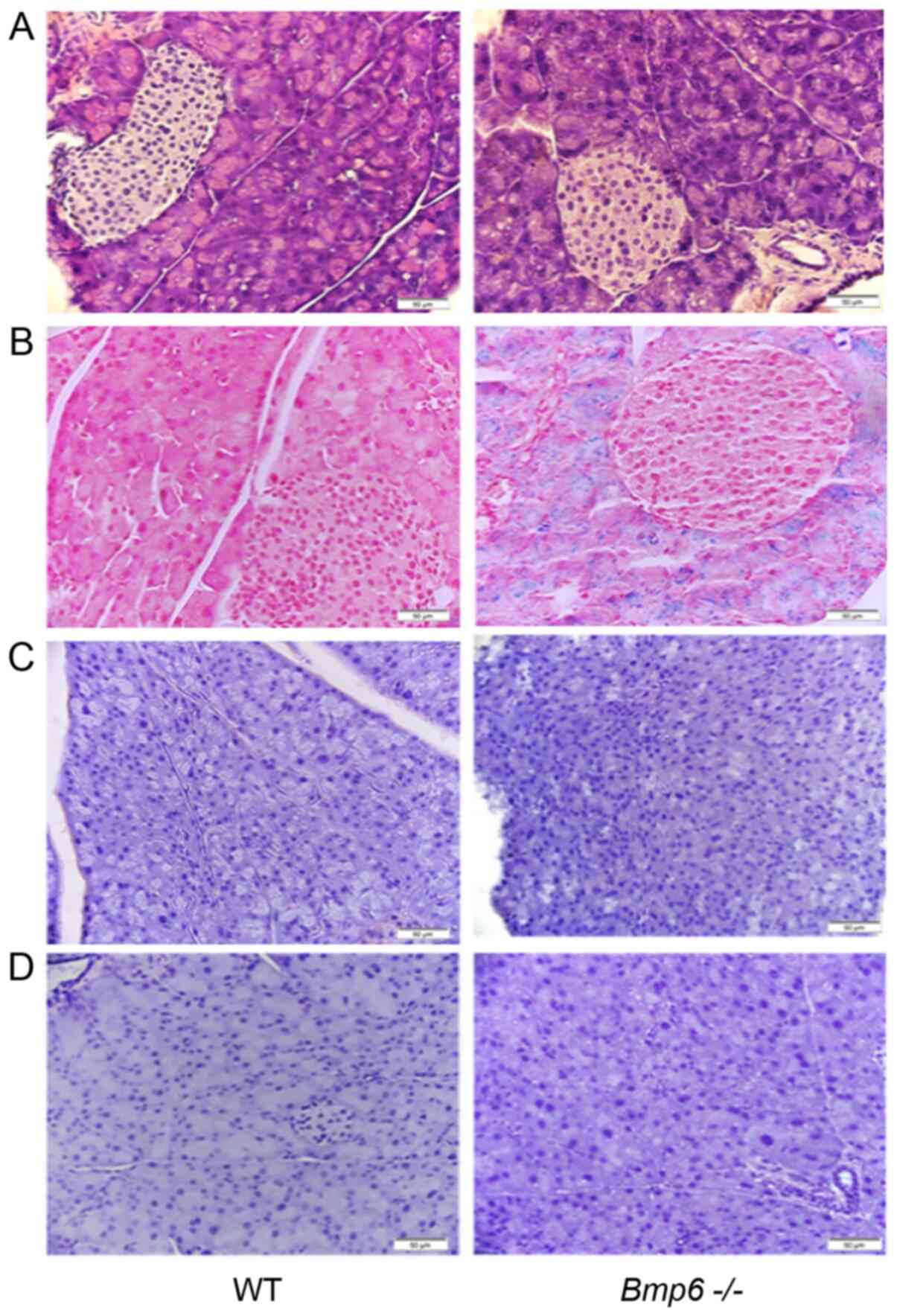
Iron Overload In Aging Em Bmp6 Sup Sup Em Mice Induces Exocrine Pancreatic Injury And Fibrosis Due To Acinar Cell Loss

